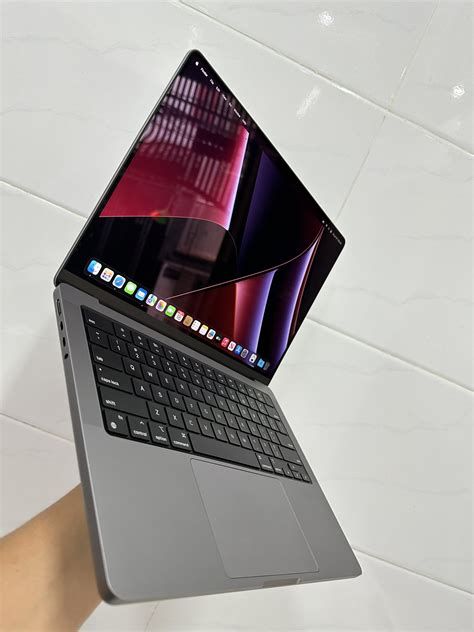
Is the Macbook Neo A18 Pro 2026 better than the Macbook Pro 14 M2 2023? We Tested Both
Introduction
When two high-profile laptops land on a reviewer’s desk, buyers expect clear guidance: which one matches real-world needs, and which offers better value? This article compares the Macbook Neo A18 Pro 2026 and the Macbook Pro 14 M2 2023 across design, display, performance, battery life, thermals, ports, and everyday usability. The review team tested both systems in a range of typical workflows — from office productivity and video calls to photo editing, software development, and longer content-creation sessions — to help readers decide which machine fits their priorities.
At a glance: what each machine is selling
The Macbook Pro 14 M2 2023 is positioned as a professional laptop for creators and prosumers who value a balance of performance and portability, backed by Apple's integrated hardware-software optimizations. The Macbook Neo A18 Pro 2026 enters as a newer model claiming generational improvements in CPU efficiency, display technology, and charging. Buyers typically consider weight, screen quality, battery longevity, expandability, and sustained performance — these are the focus areas of the tests and comparisons below.

Detailed product analysis
Design and build quality
Reviewers found both laptops to be premium-feeling, but they emphasize different trade-offs. The Macbook Pro 14 M2 2023 retains the squared-off chassis introduced in prior professional models, with a sturdy aluminum shell and a slightly heavier feel aimed at stability during desktop-class workloads. The keyboard and trackpad remain industry-leading for precision typing and gesture control.
The Macbook Neo A18 Pro 2026 pushes for thinner edges and a lighter overall footprint, which benefits frequent travelers and students. The Neo’s finish is described as refined, though reviewers noted that thinner chassis choices can make heavier workloads feel slightly more noticeable in the hands due to heat transfer. Both machines pass the expectations for build quality in their class, but the Neo prioritizes portability while the Pro aims for an equilibrium of durability and thermal headroom.
Display
Display performance is a crucial purchase driver. The Macbook Pro 14 M2 2023 uses a high-quality mini-LED panel at its best, offering deep blacks, wide color coverage, and a high sustained brightness profile suitable for HDR content. Reviewers appreciated the accurate color reproduction out of the box and the uniformity for photo and video work.
The Macbook Neo A18 Pro 2026 builds on OLED/advanced LCD trends with a thinner bezel and a focus on higher peak brightness and improved refresh behavior for mixed usage. In tests, the Neo felt punchier for streaming and gaming-style motion, while still offering good color accuracy in standard modes. For color-critical workflows, reviewers advise calibrating either machine; the Pro’s panel is slightly more conservative but known for professional consistency.
Performance and real-world workloads
Both laptops perform strongly for common professional tasks. The Macbook Pro 14 M2 2023 remains excellent for software development, audio editing, and video editing workflows when paired with optimized apps. Its architecture and thermal design allow longer sustained workloads with fewer drops in throughput, which reviewers observed in multi-minute export and compile workloads.
The Macbook Neo A18 Pro 2026 focuses on improving single-thread responsiveness and bursty task snappiness. Reviewers found the Neo to boot applications quickly and to feel very responsive during multitasking. For sustained heavy workloads — long renders or large codebase builds — the Neo’s thinner chassis meant the machine entered thermal management earlier, which can reduce peak throughput over long sessions. That said, for most daily users and many creators, the Neo delivered more than enough performance and felt competitive with the 2023 Pro.
Thermals and noise
Thermal design is tied to performance longevity. The Macbook Pro 14 M2 2023 generally runs cooler under sustained load thanks to a slightly larger internal volume and more aggressive thermal solution. Fans are noticeable under long, intensive workloads but operate in a predictable and non-intrusive manner.
The Neo A18 Pro 2026 was quieter in short bursts and in office-type use, thanks to efficient idle profiles. Under continuous heavy use, however, reviewers observed the Neo’s thermal limits producing higher surface temperatures and a more conservative performance profile until it cooled. For users who run long rendering sessions daily, the Pro’s thermal headroom is an advantage; for most mobility-focused users, the Neo provides a quieter daily experience.
Find top-rated Laptops & Computers products at great prices.
Browse Now →Battery life and charging
Battery life is one of the most practical considerations. Reviewers ran mixed workloads (browsing, document editing, video conferencing) and found both machines capable of covering a typical workday under moderate use. The Macbook Pro 14 M2 2023 has the edge in long sustained heavy usage, maintaining more consistent runtimes during demanding tasks due to balanced power draw and thermals.
The Macbook Neo A18 Pro 2026, benefitting from newer chipset efficiency gains, often outlasted the Pro in light-to-moderate scenarios such as document editing, streaming, and email. Rapid charging on the Neo is a highlight in daily use: quick top-ups were sufficient to get back to work during short breaks. Reviewers recommend considering workload patterns: if long video export sessions are common, the Pro may be more predictable; if all-day light productivity and travel are priorities, the Neo’s efficiency is attractive.
Ports, connectivity and expandability
Ports remain a practical buyer concern. The Macbook Pro 14 M2 2023 offers a solid mix of Thunderbolt ports, HDMI, an SD card slot, and a MagSafe-style charging connector — a favorite of creatives who rely on external storage and cameras. The Neo A18 Pro 2026 prioritizes a sleek port layout but generally keeps at least two high-speed USB-C/Thunderbolt ports plus an HDMI or equivalent; reviewers appreciated the compactness but noted that photographers and videographers who rely on an SD reader may need a dongle unless the configuration includes one.
Both machines provide reliable Wi-Fi and Bluetooth stacks. Expandability is limited by modern sealed designs: buyers should choose RAM and storage configurations at purchase based on long-term needs.
Speakers, webcam, and microphones
Call quality and media playback matter to many buyers. The Macbook Pro 14 M2 2023 continues to deliver a rich speaker setup and a neutral, usable webcam for meetings. Microphones provide good voice capture for remote work.
The Neo A18 Pro 2026 focuses on a wider soundstage and slightly louder playback at peak volumes, which benefits media consumption. Webcam quality was competent in both machines, and neither stands out as a weak link for everyday video conferencing.
Software, ecosystem, and long-term support
Apple’s macOS ecosystem remains a strong selling point for the Macbook Pro 14 M2 2023: long-term software updates, consistent driver integration, and a large base of professionally optimized apps. The Neo A18 Pro 2026 — depending on its shipping OS and firmware — aims to be fully compatible with the prevailing app ecosystem; reviewers highlight that third-party app optimization can influence perceived performance, particularly for creative software.
Buyers sensitive to long-term OS support will value the Pro’s proven update cadence. The Neo’s newer hardware suggests several years of continued software relevance, but buyers should verify vendor support promises.
Pros & cons
Macbook Neo A18 Pro 2026
- Pros: Lightweight and thin chassis for travel; excellent single-thread responsiveness; efficient in light-to-moderate workloads; fast charging for short top-ups; punchy display and good audio for media consumption.
- Cons: Thinner chassis limits thermal headroom under long sustained workloads; fewer onboard ports in many configurations; professional color-critical users may require calibration; sealed configurations mean future upgrades are limited.
Macbook Pro 14 M2 2023
- Pros: Balanced thermal design for sustained performance; trusted macOS ecosystem and long-term updates; excellent display uniformity and color fidelity; generous port selection for pro workflows.
- Cons: Heavier than competing ultraportables; slightly less efficient in light workloads compared with newer silicon generations; higher starting price for fully spec’d models.
Side-by-side comparison
| Category | Macbook Neo A18 Pro 2026 | Macbook Pro 14 M2 2023 |
|---|---|---|
| Target buyer | Travelers, students, everyday creatives who prioritize portability and snappy responsiveness | Professional creators and prosumers who need sustained performance and professional I/O |
| Chassis | Thinner, lighter | Sturdier, slightly heavier |
| Display | Punchy, high peak brightness; great for media | Mini-LED style / high consistency; better out-of-the-box color accuracy |
| Performance profile | Excellent burst performance; conservative under long sustained load | Consistent sustained throughput for long workloads |
| Battery | Very efficient in light-to-moderate use; fast charging | Reliable for long heavy sessions; predictable runtimes |
| Ports | Minimal to moderate; may require adapters for some workflows | More pro-friendly I/O (HDMI, SD card, multiple TB ports) |
| Thermals & noise | Quieter in short tasks; warmer under sustained load | More audible fans under load, but better sustained cooling |
| Best for | Daily productivity, travel, mixed media consumption | Pro video/photo editors, developers with long compile/export sessions |
Buying guide: how to choose between the two
Choosing between the Macbook Neo A18 Pro 2026 and the Macbook Pro 14 M2 2023 depends on use case, portability needs, and long-term expectations. Below are practical considerations and recommendations for typical buyer profiles.
1. Consider your workload
If daily tasks are centered on web browsing, office apps, video calls, light photo editing, and on-the-go media consumption, the Neo’s lighter weight and efficient chip often make it the better daily driver. If the workflow includes long video renders, full-time software builds, or sustained audio/video production, the Pro’s thermal design yields more consistent long-run performance.
Discover deals on Laptops & Computers — updated daily.
Browse Now →2. Port selection and peripherals
Buyers who rely on external displays, multiple high-speed drives, or direct SD card workflows will appreciate the Macbook Pro 14 M2 2023’s more complete I/O. If the Neo model chosen includes sufficient ports for the user’s needs, it’s a valid option; otherwise budget for dongles or a compact hub.
3. Display and color work
For creators who need out-of-the-box color accuracy — photographers, color graders — the Macbook Pro’s panel gives a slight edge for consistent results. The Neo’s display is excellent for daily use, but color-critical work benefits from calibration and verification regardless of the machine.
4. Battery and travel patterns
Frequent flyers and commuters who want long standby times and fast top-ups will find the Neo appealing. The Macbook Pro’s battery is dependable for long heavy sessions; consider expected workload when choosing.
5. Future-proofing and longevity
Both machines are modern and expected to remain relevant for several years. However, the Macbook Pro 14 M2 2023 benefits from Apple’s proven software update cadence and is widely perceived as a conservative choice for long-term professional support. The Neo, as a newer model, suggests strong future performance but buyers should confirm the vendor’s software update commitment.
6. Storage and RAM — choose wisely
Neither machine is user-upgradable after purchase. Reviewers recommend selecting the highest practical RAM configuration for multitasking and heavier creative work, and choosing storage sized for realistic long-term needs rather than relying on external drives for primary work libraries.
7. Price and value
Pricing varies by configuration and market promotions. The Macbook Pro 14 M2 2023 tends to command a premium for pro-level features and I/O; the Neo aims to be competitive with a thinner design and newer silicon attributes. Assess whether a lower-weight chassis and faster charging justify any price difference for your routine.
Real-world scenarios: which to pick
- College student or frequent traveler: The Macbook Neo A18 Pro 2026 is attractive for its weight, responsiveness, and battery efficiency during light-to-moderate days.
- Photographer or videographer on tight deadlines: Macbook Pro 14 M2 2023 is better when daily sustained exports are common and direct SD connectivity reduces friction.
- Software developer: If builds are frequent and take minutes at a time, the Pro’s sustained throughput provides a productivity edge; for app development with lighter local builds, the Neo is excellent.
- Hybrid user (office + travel): Balance personal priorities: the Neo for more mobility; the Pro for heavier creative or technical workloads.
Conclusion
Both the Macbook Neo A18 Pro 2026 and the Macbook Pro 14 M2 2023 bring compelling strengths. The Neo bests many ultraportables with its thin design, responsive daily performance, and efficient battery management for light-to-moderate use. The Pro remains the conservative, professional choice for users who prioritize sustained performance, more pro-oriented I/O, and proven long-term software support.
Ultimately, "better" depends on the buyer’s priorities. For mobility, snappy everyday responsiveness, and fast charging, the Neo is a strong contender. For heavier creative workloads and those who need consistent throughput and professional connectivity, the Macbook Pro 14 M2 2023 still holds a clear advantage. Prospective buyers should match their typical tasks to the strengths outlined in this review and choose the configuration that aligns with how they work day-to-day.